Custom metal filter elements and OEM replacement | Tanqi Industry

Joanson

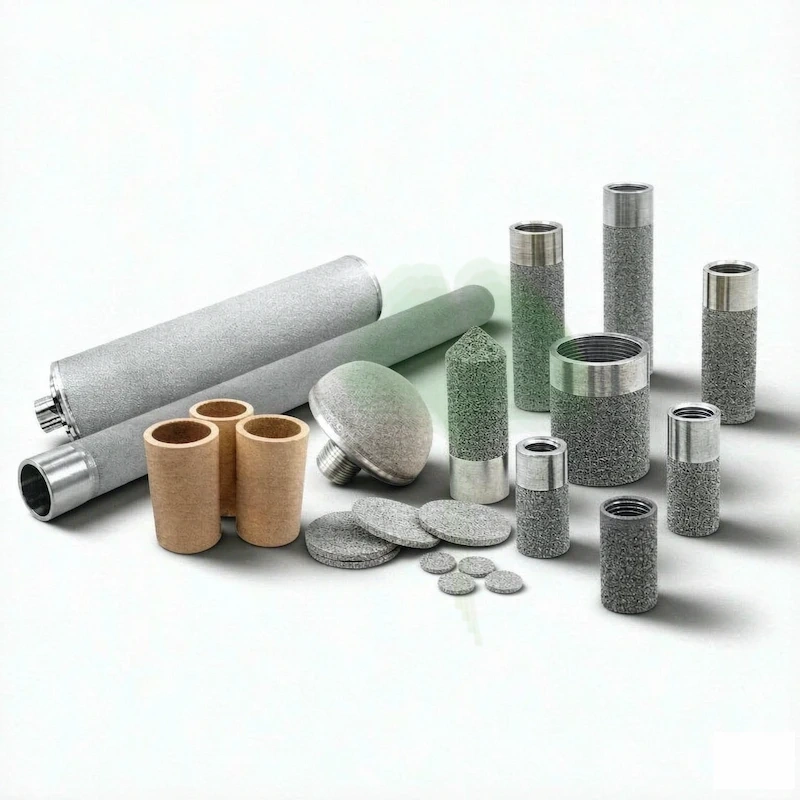
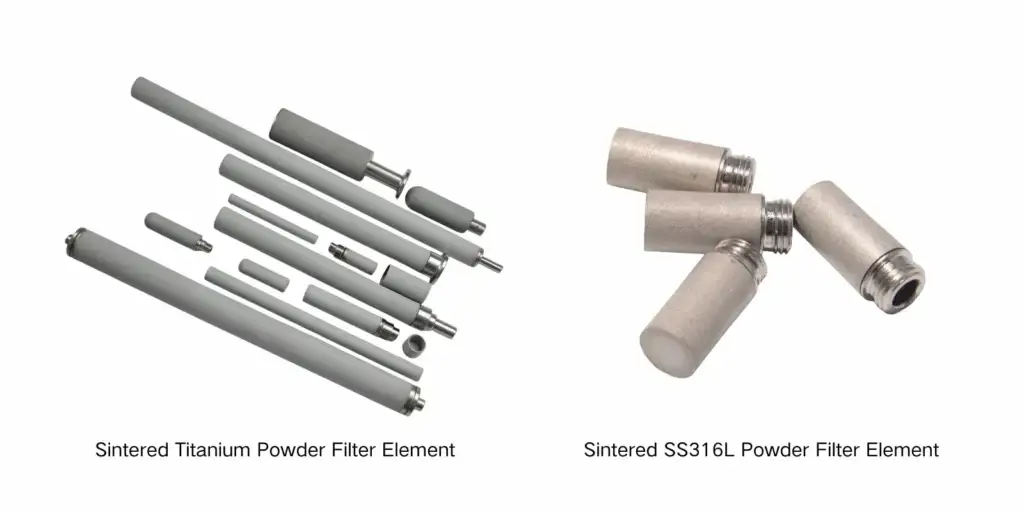
Sintered 316L/Ti/Hastelloy/Cu powder filter element compare

Sintered 316L/Ti/Hastelloy/Cu powder filter element compare

Sintered 316L/Ti/Hastelloy/Cu Powder Filter Element Comparison Guide Sintered 316L/Ti/Hastelloy/Cu powder filter element compare—which one should you actually buy? 316L covers 80% of cases. Titanium wins on seawater. Hastelloy handles the nasty stuff. Bronze is the budget pick for dry gas. Here’s the full breakdown. What a Sintered Powder Filter Element Actually Is A sintered powder

Sintered 316L/Ti/Hastelloy/Cu powder filter element compare Read More »

Stainless Steel Alloy Filter Comparison

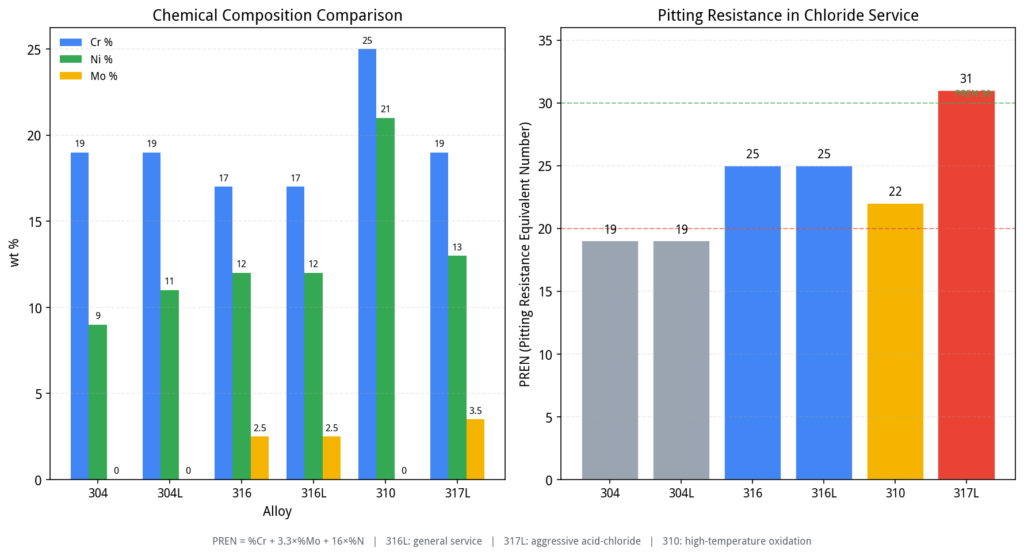
Filter Alloy Comparison: 304 vs 316 vs 310 vs 316L vs 317L

Stainless Steel Alloy Filter Comparison: 304 vs 316 vs 310 vs 316L vs 317L When engineers search for stainless steel filter cartridge or buy 316L sintered filter element 5 micron, the real question is not “which stainless is best” — it is “which alloy survives my fluid, temperature, and cleaning cycle without failing in six

Filter Alloy Comparison: 304 vs 316 vs 310 vs 316L vs 317L Read More »

Stainless Steel vs Glass Fiber Filter Media: Which Fits Your Hydraulic Duty?

Stainless Steel vs Glass Fiber Filter Media: Head-to-Head Comparison When operators compare stainless steel vs glass fiber filter media for Pall HC8300 and HC9600 hydraulic housings, the choice usually comes down to three numbers: collapse rating, continuous temperature, and fluid chemistry. Both media catch 3–5 micron particles at similar efficiency, so the difference is not

Stainless Steel vs Glass Fiber Filter Media: Which Fits Your Hydraulic Duty? Read More »

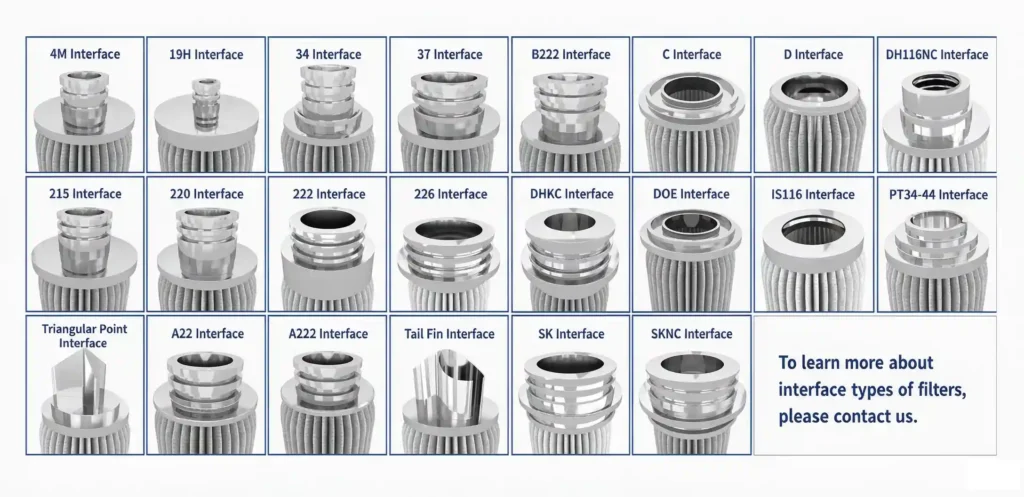
interface types forTanQi products

custom Filter Elements: Media, Interfaces, and Seals Aligned to Your System

Frequently Asked Questions Interface codes look like small details, but they decide whether a filter element works in your housing. For custom stainless steel filter elements and OEM-compatible replacements, Tanqi treats the end cap as a drawing item, not a dropdown selection. Material grade, micron rating, dimensions, seal compound and interface shape are all confirmed

custom Filter Elements: Media, Interfaces, and Seals Aligned to Your System Read More »

titanium vs 316L stainless steel filter cartridges

Titanium vs 316L Stainless Steel Filter Cartridges: The Complete Performance-Based Selection Guide

316L stainless steel filter vs titanium filter cartridges Choosing the right filtration medium is rarely about the catalogue price. When engineers evaluate titanium filter cartridges​ against 316L stainless steel filter cartridges, they are balancing heat, chemistry, and biological safety in equal measure. This guide breaks down the real-world behaviour of both materials, so your next

Titanium vs 316L Stainless Steel Filter Cartridges: The Complete Performance-Based Selection Guide Read More »

Sintered Metal Powder Filter: 7 Petrochemical Spec Rules

Sintered Powder Cartridge: 7 Petrochemical Spec Rules

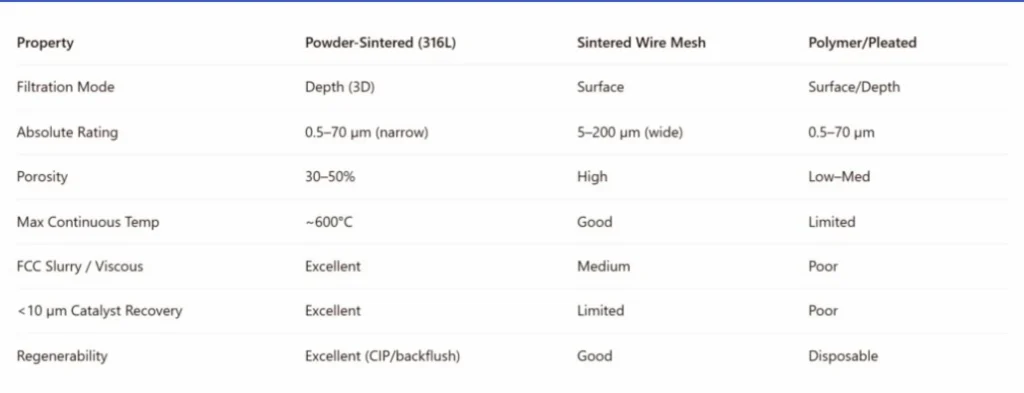
Specifying a ​ Sintered 316L powder filter cartridge in refinery and petrochemical assets is a metallurgical and process decision, not a catalog pick. Formed by cold-pressing 316L/304L stainless steel powder and solid-state sintering at 1,100–1,300°C, the cartridge yields a monolithic, porous tube with 30–50% engineered porosity and absolute ratings from 0.5–70 µm. Its tortuous, 3D-interconnected

Sintered Powder Cartridge: 7 Petrochemical Spec Rules Read More »

Why Do Replacement Filter Prices Vary From $5 to $55?

When conducting a replacement filter price comparison, sourcing parts for brands like Parker or Donaldson often presents a pricing puzzle. Listings for “compatible” cartridges swing wildly, and understanding why is crucial to protecting your equipment and your budget. Replacement Filter Price Comparison: What We Found To give a practical sense of this spread: when reviewing

Why Do Replacement Filter Prices Vary From $5 to $55? Read More »