
Wire Mesh Filter Elements
Rigid multi-layer wire mesh elements, uniform pores, 1–200 μm — for high-pressure reuse. Elements come as discs, tubes, cylinders and pleated cartridges in 304, 304L, 316, 316L, Monel and Hastelloy, with welded, bound or flanged edges.
Feature Products
Explore selected wire mesh filter element products for hydraulic, polymer, pharmaceutical, water-treatment, and gas-filtration applications. This section includes duplex filter elements, coarse oil filters, pleated melt filter elements, basket strainer elements, slurry filter elements, and industrial water filter elements. These images show only selected product options. For more multilayer wire mesh filter elements, mesh grades, materials, dimensions, or custom filtration solutions, please contact us.
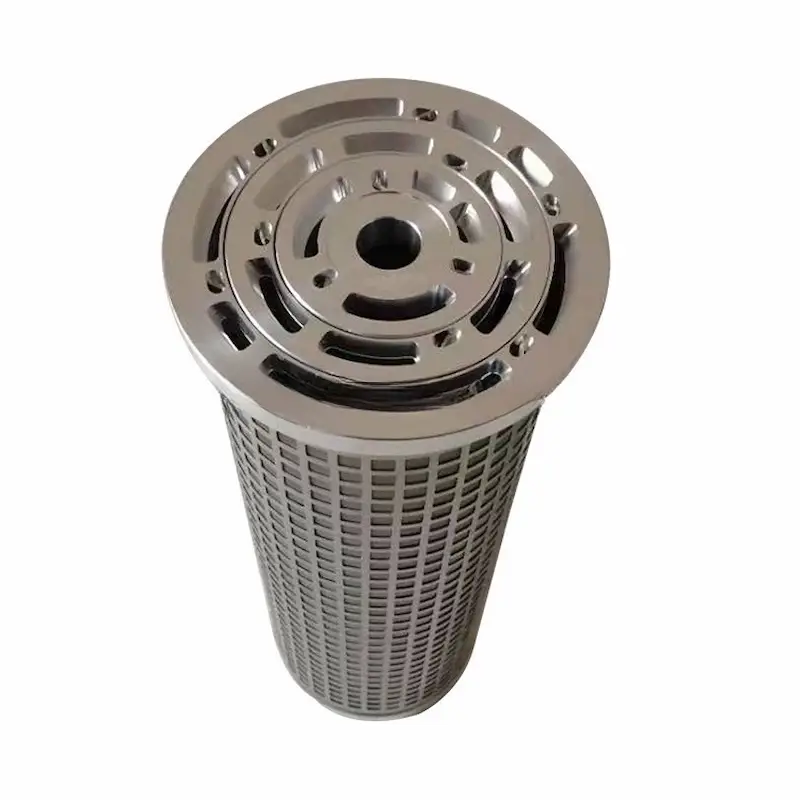
Duplex Filter
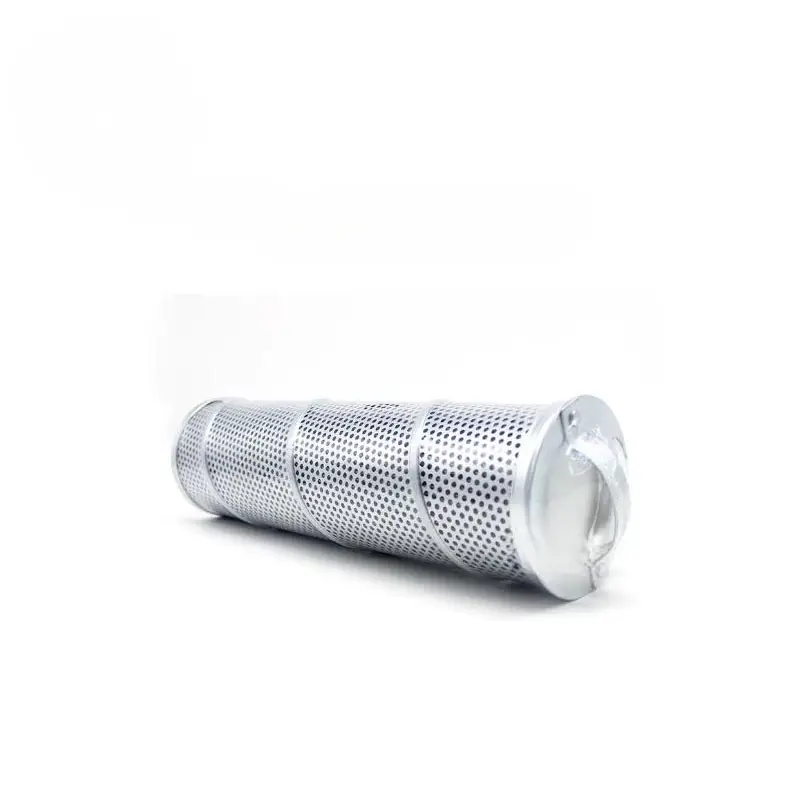
Coarse Oil Filter
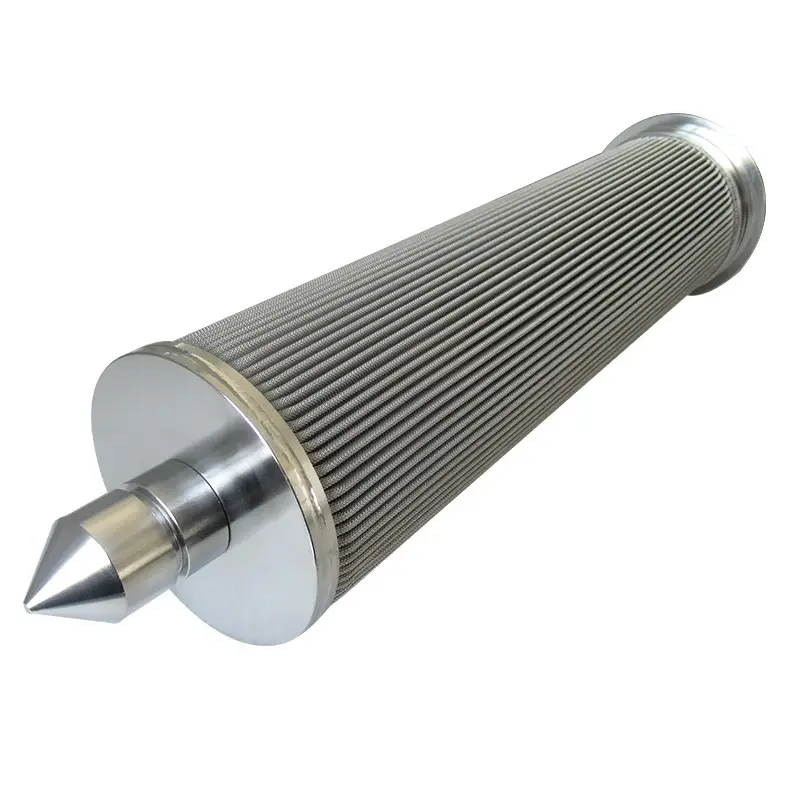
Pleated Melt Filter
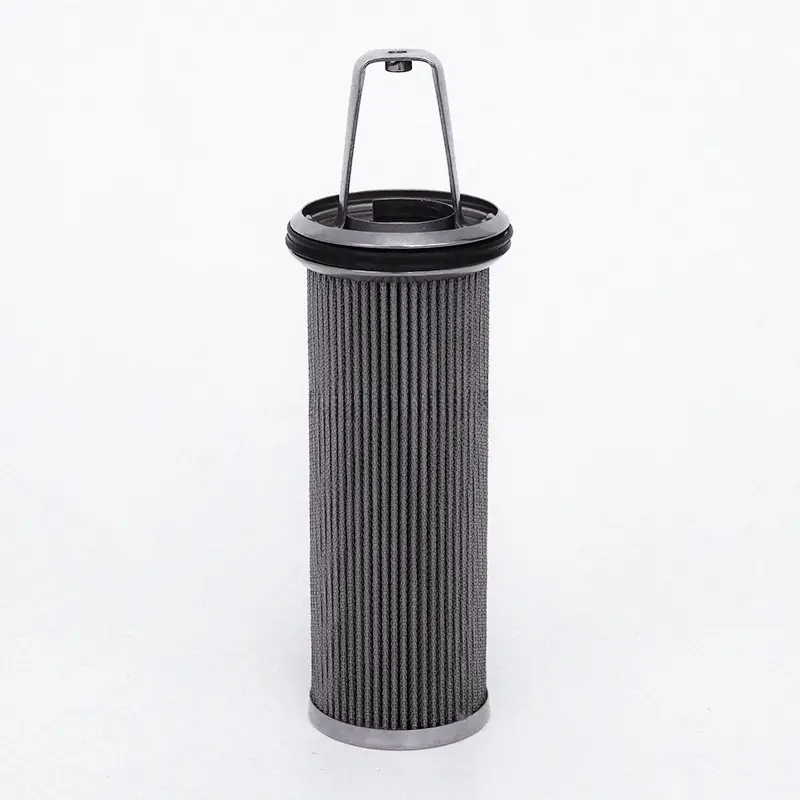
Basket Strainer Element
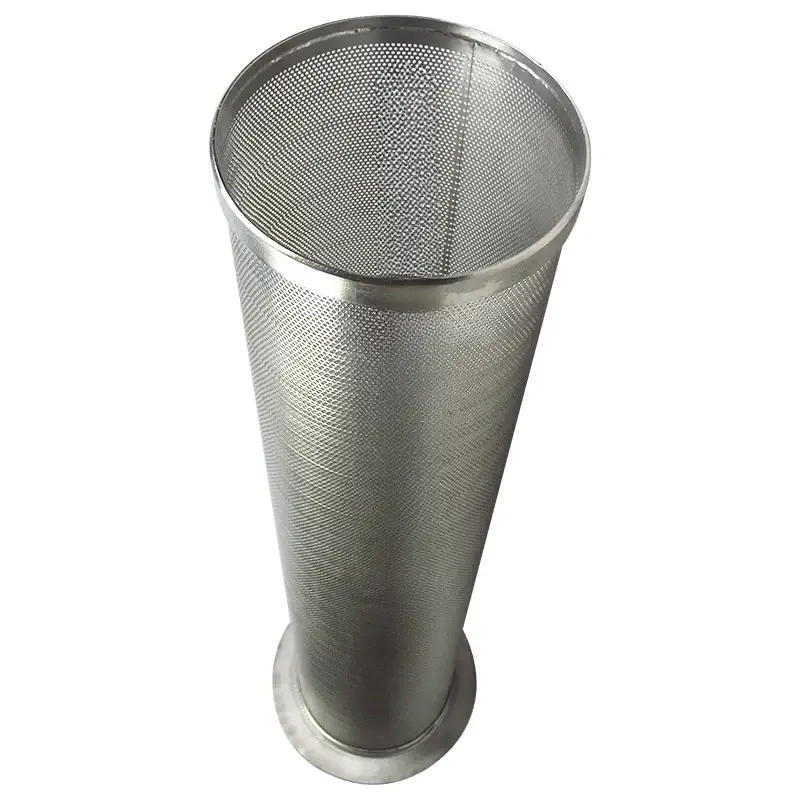
Slurry Filter Element
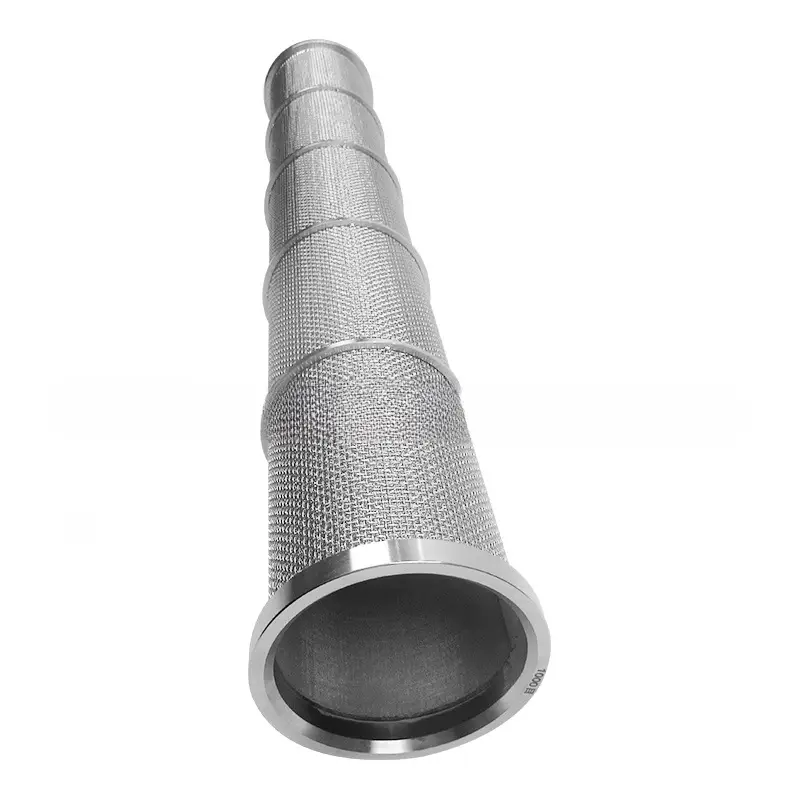
Industrial Water Filter
Need a custom wire mesh filter element?
Send us your drawing or working conditions and receive a technical proposal within 24 hours.
Product Description
For related filtration products, see our Sintered Wire Mesh Filters, Sintered Metal Powder Filters, and Wedge Wire Screen Filters. For design guidance, compare sintered metal mesh with woven wire cloth and review our custom filter element interfaces and seals guide.
Explore our main site sections: Home, Products, About, Applications, and OEM Replacement Filters.
Grade Table: Weave Types and Mesh Counts
Element performance starts at the weave. Plain weave gives the widest flow range, twill weave gives the finest retention, and the Dutch weaves trade some permeability for pressure capability. The mesh count pairs below are the practical production window for each weave.
| Weave | Mesh count (warp x weft) | Nominal rating (um) | Typical duty |
|---|---|---|---|
| Plain weave | 20 - 635 | 800 - 25 | General liquid and gas filtration, coarse protection |
| Twill weave | 100 - 500 | 150 - 25 | Fine filtration, hydraulic oil, solvent |
| Plain Dutch weave | 24 x 110 - 40 x 200 | 250 - 60 | High pressure, high dirt load |
| Twill Dutch weave | 20 x 250 - 100 x 1200 | 100 - 15 | Fine hydraulic, polymer melt, premium oil |
| Reverse Dutch weave | 72 x 15 - 132 x 17 | 80 - 25 | High viscosity melt, screen changers |
Mesh count alone does not set a micron rating - wire diameter does. Two 200-mesh cloths with different wire diameters have different pore openings and different flow. Quote the rating you need and let the mesh count follow, not the other way round.
Field Reference: Reusable Element Service
Wire mesh elements are specified where the element is cleaned rather than replaced. Reported applications include duplex and suction strainers on hydraulic power units, coarse oil filters ahead of fine glass-fibre elements, basket strainers on cooling water, and slurry elements on continuous process lines.
Two reported practices extend service life. First, stage the protection: a coarse mesh element ahead of a fine element raises total dirt-holding capacity without raising bypass risk. Second, match the cleaning method to the weave - ultrasonic for fine twill and Dutch weaves, reverse flow for plain weave, and no brushing on Dutch weave, which distorts the warp.
Supply & Ordering
| Quotation | Reviewed and returned within 24 hours, including drawing notes and lead time |
|---|---|
| Trial order | Small trial quantities accepted. Tooling is quoted separately where a new tool is needed, and confirmed before the order is placed |
| Lead time | Standard sizes subject to stock; fully custom items 15-25 days after drawing approval |
| Terms | FOB Tianjin; other Incoterms on request. T/T, L/C at sight |
| Documents | Material certificate, dimensional inspection report and bubble-point test report on request |
| Packing | Individual protection per element, then export wooden case |
| To quote | Send a drawing (DWG/PDF), a photo of the used element, or the OEM part number - we confirm the equivalent |
Not sure which grade fits your duty? Send the working conditions (medium, temperature, pressure, target micron or ISO 4406 class) and we will confirm a suitable rating before you commit to an order.
Related: 5-layer sintered mesh | metal fiber felt filters | how filtration ratings are measured
Frequently Asked Questions
What weave types and mesh counts are available?
We supply plain weave, twill weave, and Dutch weave wire mesh. Mesh counts typically range from 10 to 635 mesh. Dutch weave is often selected for high-pressure, high-precision filtration, while plain and twill weaves are common for general straining and screening.
What materials are recommended for different applications?
Standard grades include SS304, SS304L, SS316, and SS316L. For aggressive media, we offer Monel, Hastelloy, and other specialty alloys. Material selection is based on chemical compatibility, temperature, and required service life.
How are edges and seams handled?
To ensure sealing reliability and prevent fraying, we provide spot welding, roll welding, and metal edge binding. Bound edges improve gasket sealing and structural rigidity, especially under pulsating flow or high-pressure conditions.
Can you supply multi-layer or composite mesh packs?
Yes. Multi-layer composites can be assembled to achieve graded filtration or increased strength. Layers can be spot-welded or sintered together to prevent shifting during operation. These packs are often used in pleated filter elements and hydraulic applications.