
Sintered Metal Fiber Felt Filters
316L fiber felt cartridges with ≥80% porosity and 1–200 μm rating — made for polymer melt filtration. Sintered metal fiber felt withstands 500 °C, is fully backwashable, and is specified for polymer melt, high-temperature gas and catalyst recovery duty.
Feature Products
Explore selected sintered metal fiber felt filter products for high-flow, high-viscosity, gas, and reusable industrial filtration. This section includes stainless steel fiber felt filter cartridges, melt filters, pleated fiber felt filters, gas filters, and flange filter elements for polymer, hydraulic, chemical, and high-temperature applications. These images show only selected product options. For more sintered metal fiber felt filter designs, filtration ratings, materials, dimensions, or custom filter cartridges, please contact us.
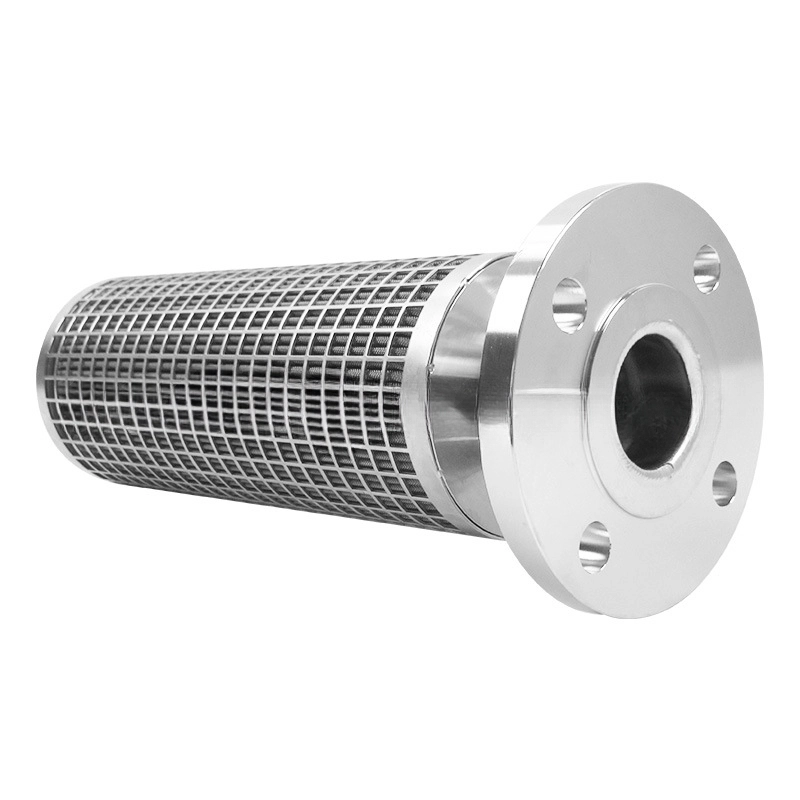
304/316 stainless steel fiber felt filter
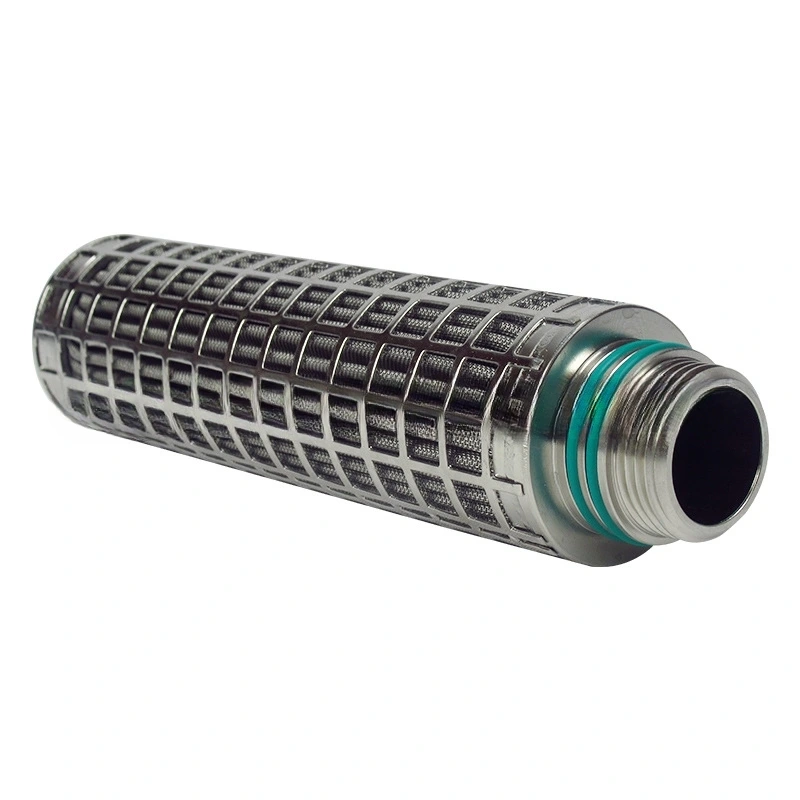
304/316 stainless steel fiber felt melt filter
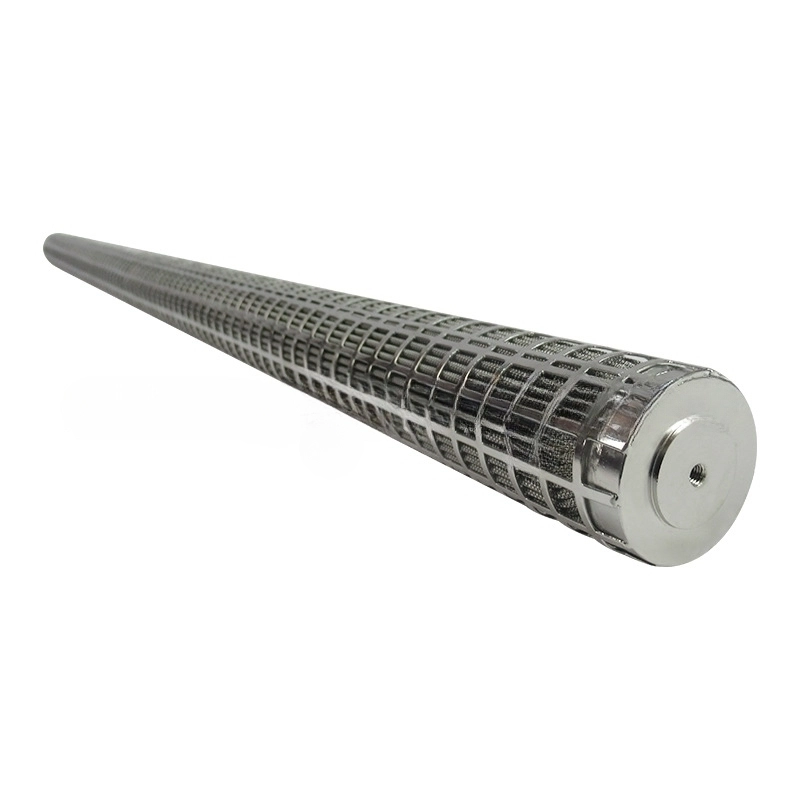
pleated 304/316 stainless steel fiber felt filter
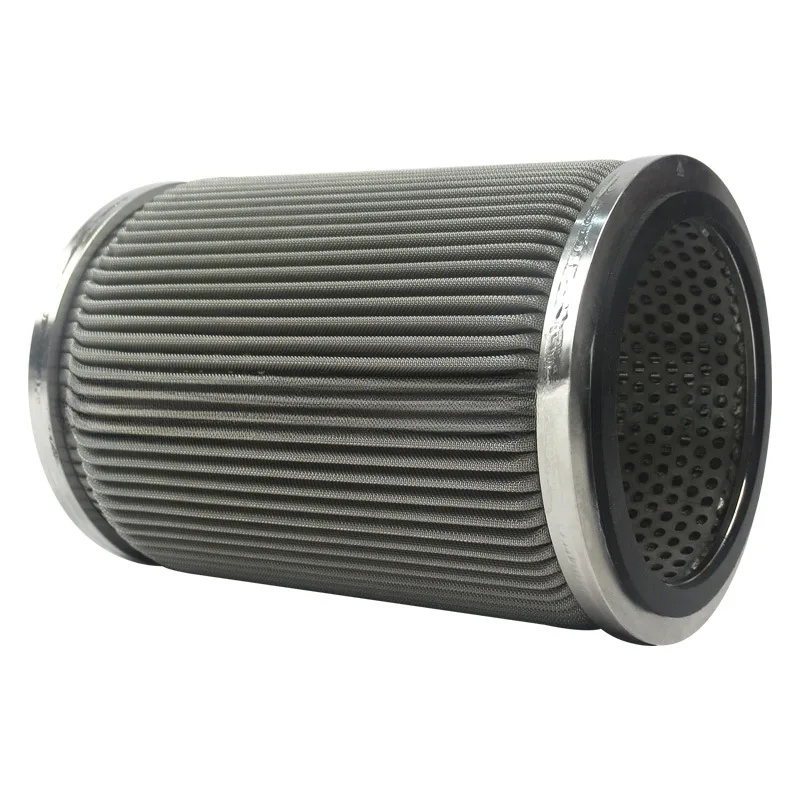
Pleated Stainless Steel Fiber Felt Filter
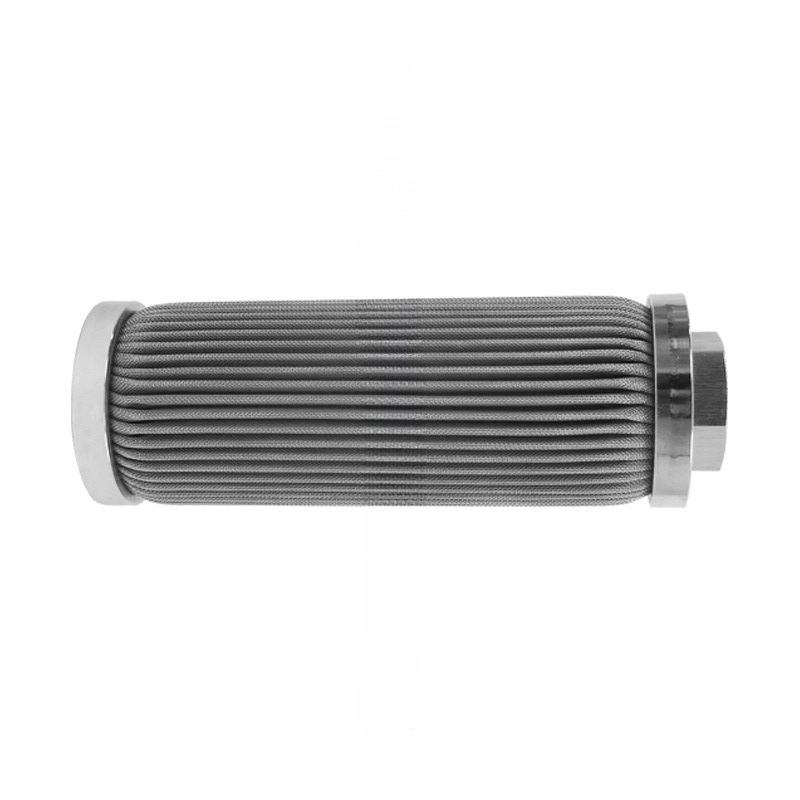
304/316 stainless steel fiber felt gas filter
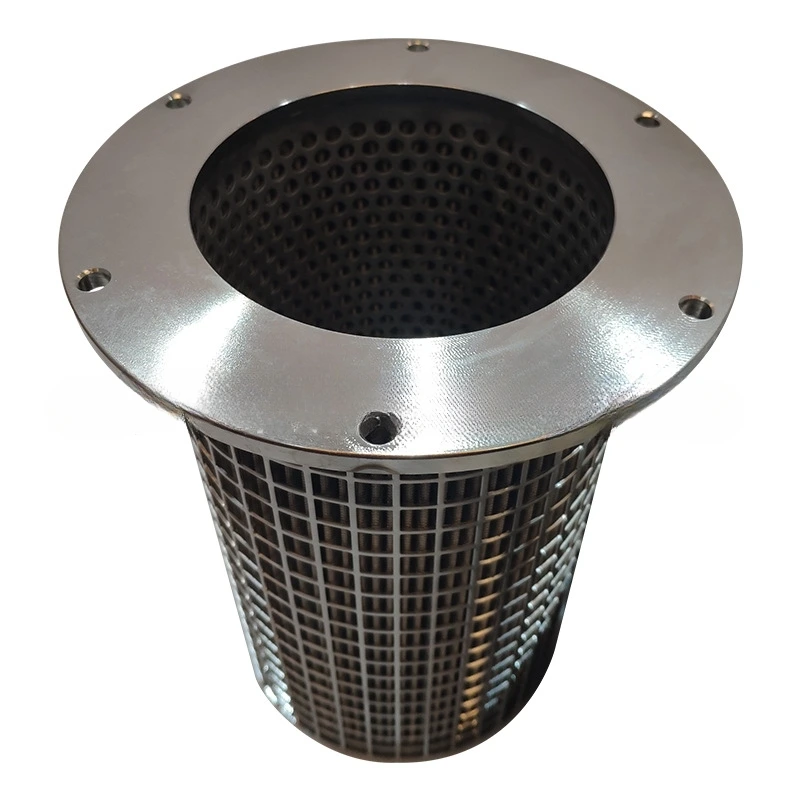
stainless steel fiber felt flange filter
Need a custom sintered metal fiber felt filter?
Send us your drawing or working conditions and receive a technical proposal within 24 hours.
Product Description
Our sintered metal fiber felt filters are supplied from micron-grade stainless steel fibers, typically 316L or 304, which are laid as a non-woven medium and diffusion-bonded at high temperature. This creates a three-dimensional porous structure with porosity above 80% and a uniform pore distribution. Nominal filtration ratings typically range from 1 to 200 μm, while the final rating depends on the fiber diameter, construction, and application. The cartridges are suitable for high-flow liquid, gas, viscous-fluid, and reusable industrial filtration. All filtration ratings and operating limits should be confirmed against the required working conditions.
For related products, see our Sintered Wire Mesh Filters, Sintered Metal Powder Filters, and Wire Mesh Filter Elements. For material selection guidance, see our stainless steel alloy selection guide and sintered metal powder filter materials comparison.
Explore our main site sections: Home, Products, About, Applications, and OEM Replacement Filters.
Pleated Fiber Felt Elements
A pleated fiber felt element takes the same diffusion-bonded fiber mat and folds it into a pleated pack — trading a little dead volume for a large gain in effective surface area. The result is a shorter, lighter cartridge that still carries the dirt load of a much longer flat element, which matters when housing length or pressure drop is the constraint. Standard builds run 316L or 304 fiber at 1–200 µm rated accuracy with ≥80% porosity; pleat depth, pleat count and end fittings are made to your housing drawing.
Melt Filtration Applications
In melt filtration the element sits between the extruder and the die, so any fiber shed or pressure surge shows up directly in the finished product. Pleated fiber felt is specified here because its pore network is graded through the depth of the medium rather than surface-only: contaminant is held inside the structure, pressure drop climbs slowly, and the element can be cleaned and re-run instead of discarded. Typical duties are polymer and masterbatch extrusion, fiber and filament spinning, resin and adhesive lines, and recycled-polymer processing where gel and char load runs high. Because the element sees continuous thermal load, we quote the alloy and the seal material against your actual melt temperature — not against a headline maximum.
Grade Table: Rating, Bubble Point and Permeability
Fiber-felt media is a depth type element: pore channels are three-dimensional, so a single nominal rating carries a wide dirt-holding capacity. Bubble point is the practical acceptance test - where the order calls for it, it is measured and reported against the band for the rating ordered.
| Nominal rating (um) | Bubble point (Pa) | Air permeability (L/min.dm2) | Porosity (%) | Thickness (mm) |
|---|---|---|---|---|
| 5 | 6800 | 47 | 75 | 0.30 |
| 7 | 5200 | 63 | 76 | 0.30 |
| 10 | 3700 | 105 | 75 | 0.37 |
| 15 | 2450 | 205 | 79 | 0.40 |
| 20 | 1900 | 280 | 80 | 0.48 |
| 25 | 1550 | 355 | 80 | 0.62 |
| 30 | 1200 | 520 | 80 | 0.63 |
| 40 | 950 | 670 | 78 | 0.68 |
| 60 | 630 | 1300 | 85 | 0.62 |
Two rules of thumb from the table. First, bubble point roughly halves when the rating doubles, so bubble point is a fast way to verify the grade you actually received. Second, porosity above 75% is what keeps pressure drop low on high-viscosity polymer melt; a woven mesh element at the same rating offers 25-40% porosity and therefore much higher differential pressure.
Field Reference: Polymer Melt Filtration
Sintered metal fiber felt is the standard core media for polymer melt filtration because of the service window: PET melt at 280-320 C and 50-500 bar, at sustained viscosity up to 260 Pa.s. A surface mesh blinds quickly under those conditions and a pleated cartridge deforms under melt-pump pressure, while the three-dimensional felt matrix keeps capturing gel, carbon and unmelted resin through its depth.
Ratings used in practice: 3-5 um electropolished 316L felt for optical-grade BOPET/BOPP film and lithium battery separator, 5-10 um for packaging-grade film and fibre, and Inconel fiber felt where PPS or other engineering polymers run above 300 C. Beta ratio depends on the test method and the dust used, so ask for the standard alongside any figure - a number quoted without one cannot be compared with another.
Two specification details decide whether a felt element survives a campaign. First, multi-layer construction with sintered mesh support - continuous back-flush screen changers reverse the flow thousands of times per campaign, and single-layer felt drifts in rating under that cycling. Second, the regeneration sequence: chemical, pyrolytic and ultrasonic cleaning all work, but the sequence has to suit both the felt and the contaminant, otherwise carbonised residue stays in the pore structure and the bubble point rises.
In batch service, three to five reuse cycles with periodic regeneration is a commonly reported range; where continuous back-flush is available, element life is often measured in years. Both depend on the contaminant and the regeneration sequence rather than on the media alone.
Supply & Ordering
| Quotation | Reviewed and returned within 24 hours, including drawing notes and lead time |
|---|---|
| Trial order | Small trial quantities accepted. Tooling is quoted separately where a new tool is needed, and confirmed before the order is placed |
| Lead time | Standard sizes subject to stock; fully custom items 15-25 days after drawing approval |
| Terms | FOB Tianjin; other Incoterms on request. T/T, L/C at sight |
| Documents | Material certificate, dimensional inspection report and bubble-point test report on request |
| Packing | Individual protection per element, then export wooden case |
| To quote | Send a drawing (DWG/PDF), a photo of the used element, or the OEM part number - we confirm the equivalent |
Not sure which grade fits your duty? Send the working conditions (medium, temperature, pressure, target micron or ISO 4406 class) and we will confirm a suitable rating before you commit to an order.
Related: 5-layer sintered mesh | sintered powder filters | stainless steel vs glass fiber media
Frequently Asked Questions
Q1:What materials are used for sintered metal fiber felt filters?
The primary material is SS316L stainless steel fiber felt. We also supply grades such as 304, 310S, and FeCrAl alloy fibers. For demanding applications, nickel-based alloys and titanium fiber felts are available to meet specific requirements for high-temperature resistance and corrosion protection.
What are the advantages compared to sintered wire mesh?
Compared to woven mesh, metal fiber felt offers a higher porosity and dirt-holding capacity, resulting in lower initial pressure drop and higher flow rates. Its gradient pore structure supports deep filtration and performs well in backflushing and ultrasonic cleaning, making it suitable for high-viscosity fluids and long-cycle operations.
What connection types are available?
Connection options are similar to those for sintered mesh filters, including threaded connections, flanges, tri-clamps, and welded interfaces. We can customize the element length, diameter, and end fittings to integrate seamlessly with your existing filtration system.
What are the typical applications?
These filters are widely used in polymer melt filtration (plastics, fibers), high-temperature gas filtration (flue gas, syngas), hydraulic pre-filtration, catalyst recovery, gas distribution plates, and burner flow equalizers.