
Sintered Metal Fiber Felt Filters
Pleated fiber felt is a 3D non-woven stainless steel fiber medium folded into a pleated pack — the fold raises surface area so a short element still carries a large dirt load. Its main duty is melt filtration: polymer, fiber and resin extrusion lines, where the element must retain contaminant at low pressure drop without shedding fibers into the melt. We build these elements in 316L, 304 and FeCrAl at ≥80% porosity and 1–200 µm rated accuracy, made to your housing drawing.
Tanqi Industry supplies 3D porous stainless steel fiber felt cartridges with ≥80% porosity and 1–200 μm nominal filtration ratings for high-flow, high-viscosity, and reusable industrial filtration.
Table of Contents
Feature Products
Explore selected sintered metal fiber felt filter products for high-flow, high-viscosity, gas, and reusable industrial filtration. This section includes stainless steel fiber felt filter cartridges, melt filters, pleated fiber felt filters, gas filters, and flange filter elements for polymer, hydraulic, chemical, and high-temperature applications. These images show only selected product options. For more sintered metal fiber felt filter designs, filtration ratings, materials, dimensions, or custom filter cartridges, please contact us.
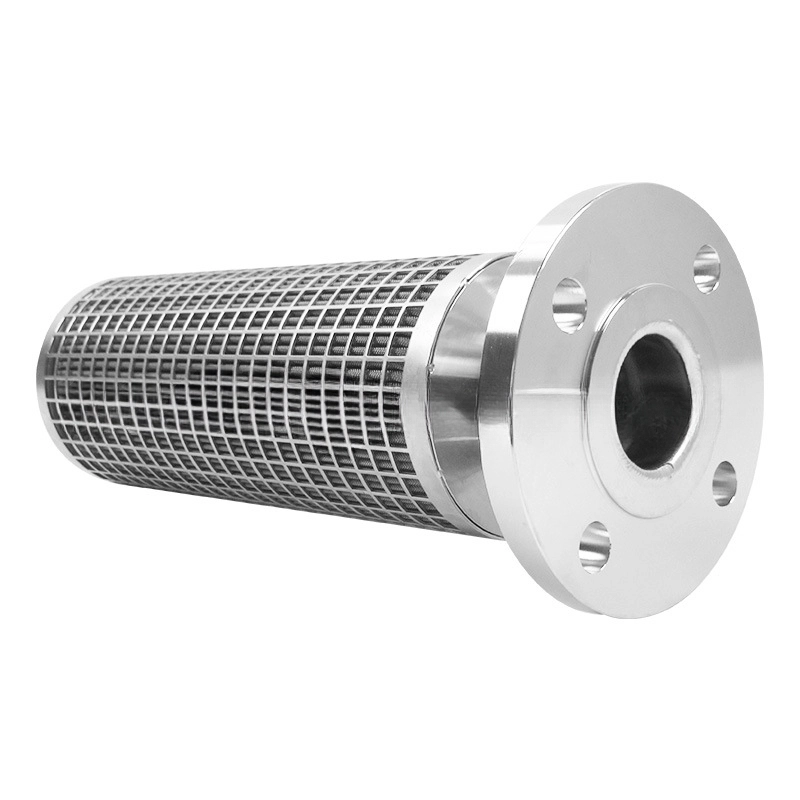
304/316 stainless steel fiber felt filter
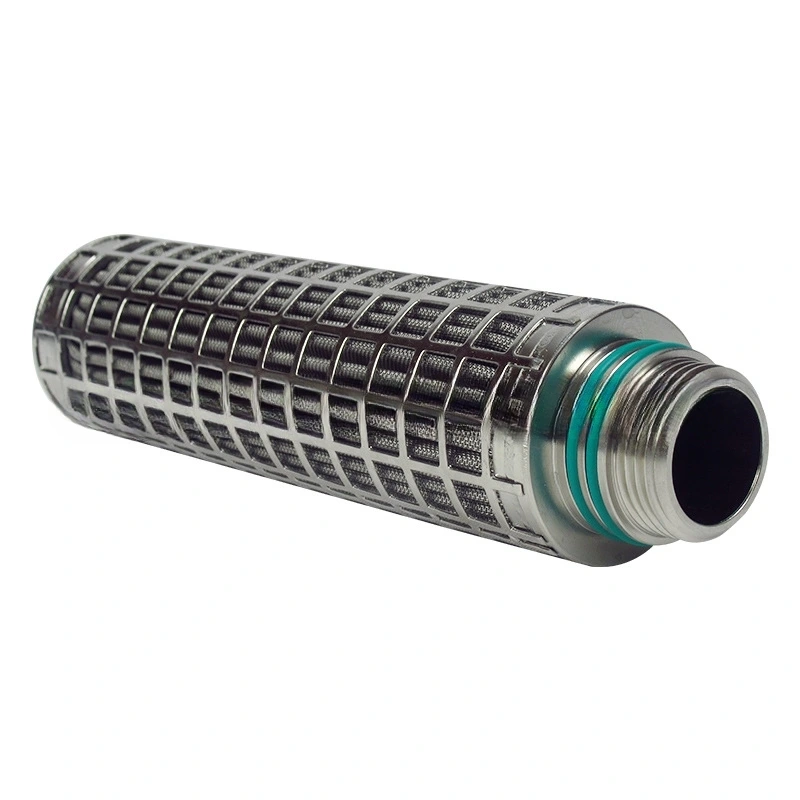
304/316 stainless steel fiber felt melt filter
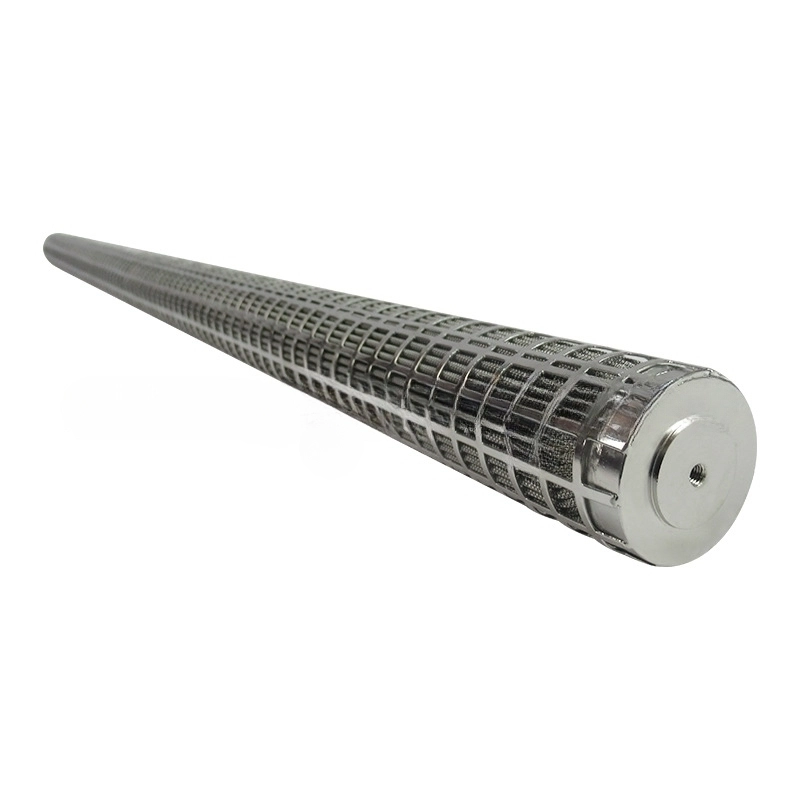
pleated 304/316 stainless steel fiber felt filter
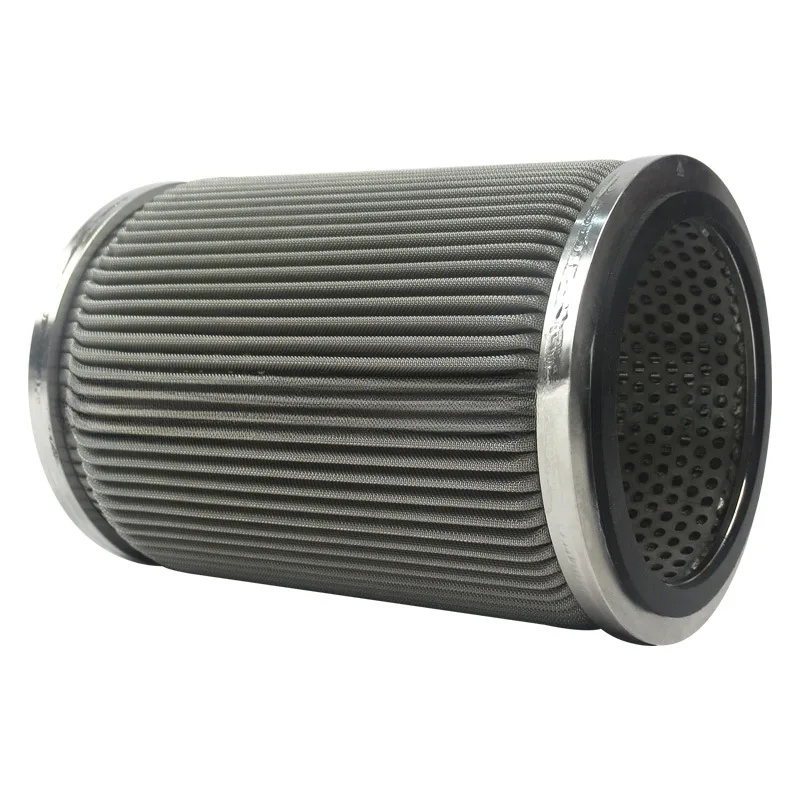
Pleated Stainless Steel Fiber Felt Filter
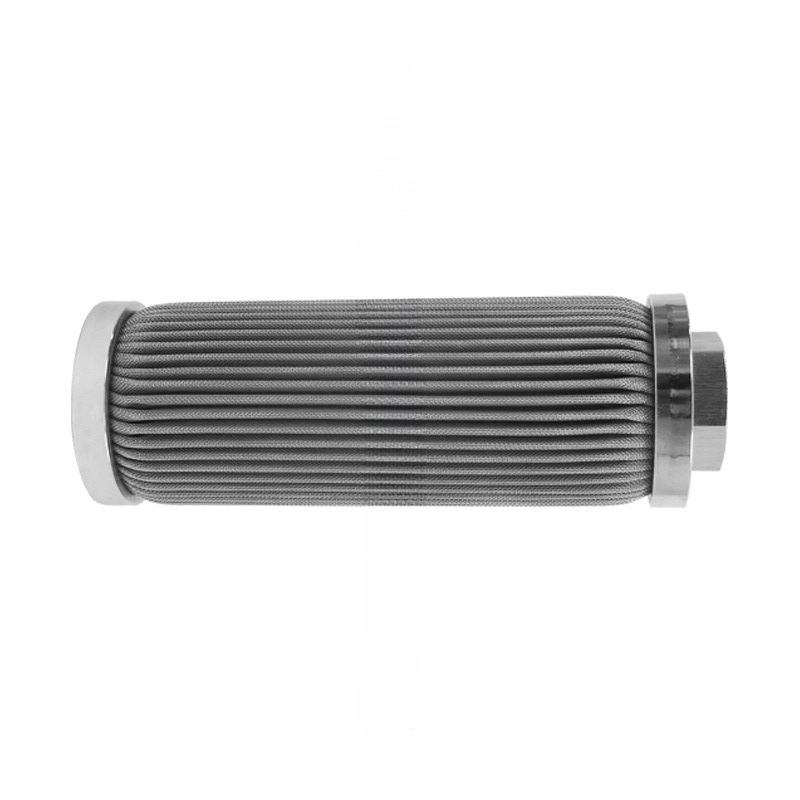
304/316 stainless steel fiber felt gas filter
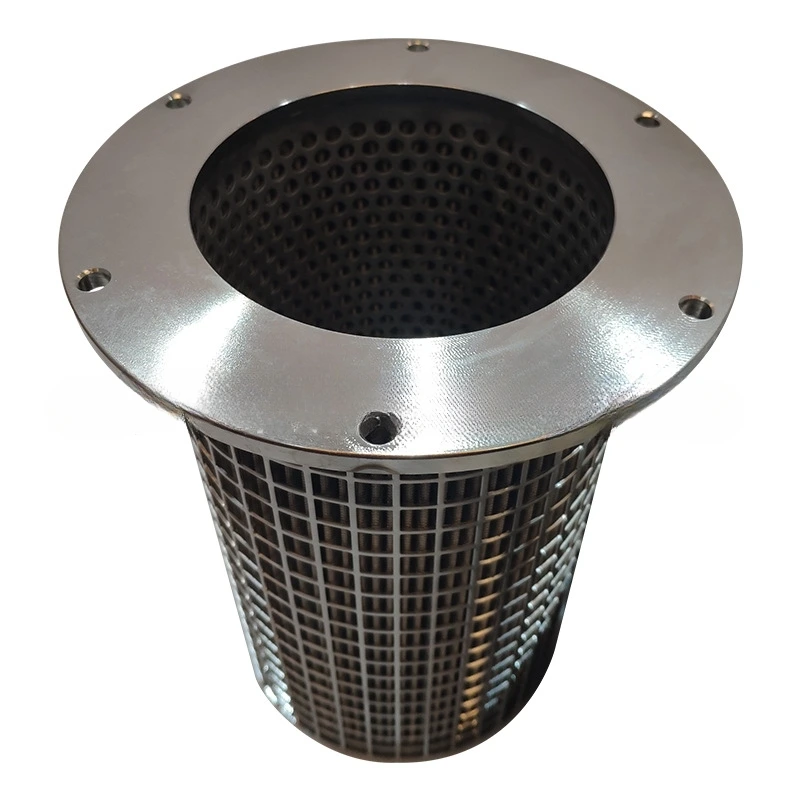
stainless steel fiber felt flange filter
Need a custom sintered metal fiber felt filter?
Send us your drawing or working conditions and receive a technical proposal within 24 hours.
Product Description
Our sintered metal fiber felt filters are supplied from micron-grade stainless steel fibers, typically 316L or 304, which are laid as a non-woven medium and diffusion-bonded at high temperature. This creates a three-dimensional porous structure with porosity above 80% and a uniform pore distribution. Nominal filtration ratings typically range from 1 to 200 μm, while the final rating depends on the fiber diameter, construction, and application. The cartridges are suitable for high-flow liquid, gas, viscous-fluid, and reusable industrial filtration. All filtration ratings and operating limits should be confirmed against the required working conditions.
For related products, see our Sintered Wire Mesh Filters, Sintered Metal Powder Filters, and Wire Mesh Filter Elements. For material selection guidance, see our stainless steel alloy selection guide and sintered metal powder filter materials comparison.
Explore our main site sections: Home, Products, About, Applications, and OEM Replacement Filters.
Pleated Fiber Felt Elements
A pleated fiber felt element takes the same diffusion-bonded fiber mat and folds it into a pleated pack — trading a little dead volume for a large gain in effective surface area. The result is a shorter, lighter cartridge that still carries the dirt load of a much longer flat element, which matters when housing length or pressure drop is the constraint. Standard builds run 316L or 304 fiber at 1–200 µm rated accuracy with ≥80% porosity; pleat depth, pleat count and end fittings are made to your housing drawing.
Melt Filtration Applications
In melt filtration the element sits between the extruder and the die, so any fiber shed or pressure surge shows up directly in the finished product. Pleated fiber felt is specified here because its pore network is graded through the depth of the medium rather than surface-only: contaminant is held inside the structure, pressure drop climbs slowly, and the element can be cleaned and re-run instead of discarded. Typical duties are polymer and masterbatch extrusion, fiber and filament spinning, resin and adhesive lines, and recycled-polymer processing where gel and char load runs high. Because the element sees continuous thermal load, we quote the alloy and the seal material against your actual melt temperature — not against a headline maximum.
Technical Specifications
1. What materials are available for sintered metal fiber felt filters?
Our filters are available in 316L and 304 stainless steel fiber, as well as FeCrAl fiber.
2. What filtration accuracy can they achieve?
They are available from 1 μm to 200 μm filtration accuracy.
3. What porosity do these filters provide?
They provide porosity of 80% or higher.
4. What operating temperature and pressure can they withstand?
Depending on the material and design, the maximum operating temperature is 500°C and maximum pressure ranges from 0.1 MPa to 30 MPa.
5. What standard lengths and port diameters are available?
Standard lengths range from 100 mm to 1500 mm, and port diameters range from 25 mm to 180 mm.
6. What connections are available?
Available connections include bayonet (226, 222, DOE, etc.), threaded, flange, tie-rod, and custom interfaces.
7. Can the fiber felt filter be customized?
Yes. The dimensions, connections, and other specifications can be fully customized according to drawings and working conditions.
| Material | 316L / 304 stainless steel fiber, FeCrAl fiber |
|---|---|
| Filtration Accuracy | 1 – 200 μm |
| Porosity | ≥ 80% |
| Operating Temperature | -200°C to 500°C |
| Max Pressure | 0.1 – 30 MPa |
| Standard Length | 100 – 1500 mm |
| Port Diameter | 25–180 mm (customizable) |
| Connections | Bayonet (226, 222, DOE, etc.), threaded, flange, tie-rod, custom interfaces |
| Customization | Fully customizable; provide drawings and working conditions for tailored solutions |
Frequently Asked Questions
Q1:What materials are used for sintered metal fiber felt filters?
The primary material is SS316L stainless steel fiber felt. We also supply grades such as 304, 310S, and FeCrAl alloy fibers. For demanding applications, nickel-based alloys and titanium fiber felts are available to meet specific requirements for high-temperature resistance and corrosion protection.
Q2: What are the advantages compared to sintered wire mesh?
Compared to woven mesh, metal fiber felt offers a higher porosity and dirt-holding capacity, resulting in lower initial pressure drop and higher flow rates. Its gradient pore structure supports deep filtration and performs well in backflushing and ultrasonic cleaning, making it suitable for high-viscosity fluids and long-cycle operations.
Q3: What connection types are available?
Connection options are similar to those for sintered mesh filters, including threaded connections, flanges, tri-clamps, and welded interfaces. We can customize the element length, diameter, and end fittings to integrate seamlessly with your existing filtration system.
Q4: What are the typical applications?
These filters are widely used in polymer melt filtration (plastics, fibers), high-temperature gas filtration (flue gas, syngas), hydraulic pre-filtration, catalyst recovery, gas distribution plates, and burner flow equalizers.
Need the Right Filter for Your Project? Let’s Talk.
Standards & Further Reading
The test methods quoted on this page are defined by the following international standards: